Garage Door Safety Features Every Homeowner Should Know
Garage door safety should always be a top priority, especially during a new garage door installation or opener replacement. Your garage door is one of the heaviest moving systems in your home, and when it is not installed, adjusted, or maintained correctly, it can create safety risks for people, pets, vehicles, and property.
Modern garage doors and garage door openers include important safety features designed to reduce the risk of accidents, entrapment, unauthorized access, and system failure. These features only work properly when the door is installed correctly, the opener is adjusted accurately, and the entire system is inspected on a regular basis.
In this guide, we’ll explain the most important garage door safety features, how they work, why they matter, and when to call a professional garage door company like Jim Beam’s Garage Doors of Fort Collins.

Why Garage Door Safety Matters
A garage door system includes heavy door sections, springs, cables, rollers, tracks, hinges, brackets, opener hardware, remotes, sensors, and electrical components. When everything is working correctly, the door should move smoothly, reverse when needed, close securely, and remain balanced.
When safety features are missing, misaligned, damaged, or ignored, the garage door may fail to stop, close on an obstruction, fall unevenly, strain the opener, or become easier to access from outside. That is why professional installation and routine garage door servicing are so important.
If your garage door is loud, crooked, slow, unusually heavy, stuck, or reversing for no clear reason, schedule a professional inspection before the issue becomes more serious.
Garage Door Safety Sensors
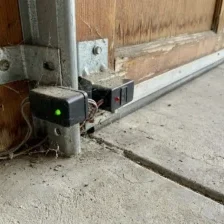
Garage door safety sensors, often called photo-eye sensors, are one of the most important safety features on a modern automatic garage door system. These sensors are usually installed near the bottom of the garage door opening, with one sensor on each side of the door.
The sensors create an invisible beam across the door opening. If a person, pet, vehicle, toy, box, or other object interrupts that beam while the door is closing, the opener should stop and reverse the door. This helps reduce the risk of the door closing on something in its path.
During garage door installation, the sensors must be mounted at the correct height, aligned properly, wired correctly, and tested before the job is complete. If the sensors are bumped, dirty, blocked, or knocked out of alignment, the door may refuse to close or may reverse unexpectedly.
Signs Your Garage Door Sensors Need Attention
- The garage door starts to close, then reverses immediately.
- The opener lights flash when you try to close the door.
- One or both sensor lights are off, blinking, or dim.
- The door closes only when you hold down the wall button.
- There is dirt, snow, storage, or debris blocking the sensor path.
If cleaning the lenses and clearing the path does not solve the issue, contact Jim Beam’s Garage Doors for garage door repair or sensor service.
Auto-Reverse Mechanism
The auto-reverse mechanism is another critical garage door safety feature. While photo-eye sensors detect an obstruction before the door touches it, the auto-reverse system is designed to react when the door encounters resistance during the closing cycle.
If the door hits an object or meets too much resistance, the opener should stop and reverse the door. This feature helps protect people, pets, vehicles, stored items, and the garage door system itself.
During installation, a professional technician should properly set the opener’s force limits, travel limits, and reverse function. If these settings are too sensitive, the door may reverse when nothing is in the way. If they are not sensitive enough, the door may not reverse quickly when it should.
If your garage door opener is old, unreliable, or missing modern safety features, it may be time to consider a replacement. Jim Beam’s Garage Doors can help with garage door opener repair and opener replacement in Fort Collins and Northern Colorado.
Manual Release System
The manual release system allows you to disconnect the garage door from the opener so the door can be operated by hand during a power outage, opener malfunction, or emergency. This is typically controlled by a red emergency release cord hanging from the opener rail.
Every homeowner should know where the manual release is located and how it works. However, it should be used carefully. If the door is open, crooked, off track, or has a broken spring, pulling the emergency release can be dangerous because the door may drop or shift suddenly.
Safety tip: Only use the manual release when the door is fully closed and stable. If the door is stuck open, hanging unevenly, or feels unusually heavy, call a professional instead of trying to force the door manually.
Rolling Code Technology
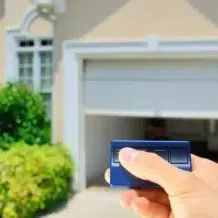
Modern garage door openers often include rolling code technology to improve security. Instead of using the exact same access code every time, rolling code systems generate a new code each time the remote is used. This helps reduce the risk of someone capturing and reusing your opener code.
During opener installation, remotes, keypads, vehicles, and smart accessories should be programmed correctly. If you move into a new home, lose a remote, or believe someone else may have access to your garage, it is smart to reset the opener codes and reprogram only the devices you still use.
For more information, read our article How to Reset Garage Door Opener Codes. You can also learn more about garage security in our guide, How to Improve Your Garage’s Security.
Garage Door Springs and Cable Safety
Garage door springs and cables are not always thought of as “safety features,” but they play a major role in safe operation. The springs help counterbalance the weight of the door, while the cables help lift and guide the door as it moves.
If a spring breaks, the door may become extremely heavy. If a cable frays, slips, or snaps, the door may lift unevenly, jam, come off track, or become unstable. These are not DIY repair situations. Springs and cables are under high tension and should be repaired or replaced by trained garage door technicians.
Warning signs of spring or cable issues include:
- The door feels too heavy to lift manually.
- The opener hums, but the door does not move.
- The door opens a few inches and stops.
- The door looks crooked or uneven.
- You hear a loud bang from the garage.
- You see loose, frayed, or hanging cables near the sides of the door.
If you notice any of these signs, stop using the door and contact Jim Beam’s Garage Doors for garage door spring repair or cable service.
Tracks, Rollers, and Hinges
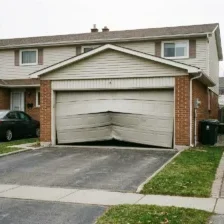
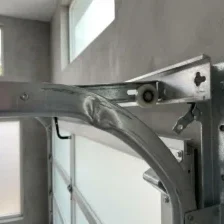
Tracks, rollers, and hinges guide the garage door as it opens and closes. If these parts are loose, bent, worn, or misaligned, the door can become noisy, jerky, crooked, or unsafe to operate.
Professional installation helps ensure the tracks are spaced correctly, rollers move smoothly, hinges are secured, and the door travels evenly. Routine maintenance can also catch worn rollers, missing fasteners, bent brackets, and early track problems before they turn into larger repairs.
If the door is scraping, grinding, shaking, or coming off track, schedule garage door repair instead of continuing to use the opener.
Weather Seals and Safe Garage Protection
Garage door safety is not only about preventing injury. A properly sealed garage door also helps protect your home from water, pests, wind, dust, cold air, and unwanted access. The bottom seal, side seals, and top weatherstripping help close the gaps around the door.
If you see daylight around the edges, feel drafts, notice water coming under the door, or find pests entering through the garage, your seals may need attention. In Northern Colorado, a good seal can be especially helpful during wind, snow, freezing temperatures, and spring moisture.
We discuss this more in our article, Water is Coming Under My Garage Door: Causes and Solutions.
Safety Checks Homeowners Can Do
Homeowners should not attempt high-tension garage door repairs, but there are simple visual checks that can help identify problems early. These quick checks can help you decide when it is time to schedule professional service.
- Make sure nothing is blocking the safety sensors.
- Look for frayed cables, loose hardware, or crooked door movement.
- Listen for grinding, scraping, popping, or sudden new noises.
- Watch whether the door moves evenly on both sides.
- Check whether the bottom seal is cracked, torn, or leaving gaps.
- Keep remotes and keypads away from children.
- Do not stand, walk, or let pets pass under a moving garage door.
- Schedule regular maintenance if the garage door is used daily.
If anything looks unsafe, do not keep testing the door repeatedly. Call a professional and keep people, pets, and vehicles clear of the door until it has been inspected.
When to Replace an Older Garage Door Opener
If your garage door opener is older, unreliable, missing photo-eye sensors, or not reversing properly, it may be safer and more cost-effective to replace it rather than continue repairing it. Modern garage door openers can offer improved safety, quieter operation, better security, remote access options, and smoother daily use.
You may want to consider opener replacement if:
- Your opener does not have properly working safety sensors.
- The door does not reverse when it should.
- The opener is loud, inconsistent, or slow to respond.
- You recently moved into the home and want to reset access.
- You want rolling code technology, keypad access, or smart opener features.
- The opener struggles because the door is not properly balanced.
Jim Beam’s Garage Doors can inspect your current opener, test safety features, and recommend repair or replacement based on the condition of your system.
Professional Installation Protects the Whole System
Garage door installation is about more than getting the door to open and close. A proper installation should account for the door weight, spring balance, track alignment, opener compatibility, sensor placement, weather sealing, and safe daily operation.
During a professional installation or repair, a technician should check that the garage door is balanced, hardware is secure, safety sensors are aligned, the opener is programmed correctly, the door reverses properly, and the system operates smoothly.
If you are replacing a damaged garage door, upgrading to an insulated door, installing a new opener, or repairing a safety issue, working with a qualified local company helps protect your home and family.
Call Jim Beam’s Garage Doors for Safer Garage Door Service
Garage door safety features are only helpful when they are installed correctly, adjusted properly, and maintained over time. From garage door sensors and auto-reverse systems to springs, cables, tracks, openers, and weather seals, every part of the system plays a role in safe operation.
Jim Beam’s Garage Doors provides professional garage door installation, garage door repair, garage door maintenance, opener service, and spring repair throughout Fort Collins and Northern Colorado. With 200+ Google reviews and a 4.9-star average, Jim Beam’s Garage Doors is a trusted local choice for homeowners who want their garage door system working safely, smoothly, and reliably.
Need help with garage door safety sensors, opener issues, broken springs, or a new installation? Contact Jim Beam’s Garage Doors today for a fast and free estimate.
Frequently Asked Questions About Garage Door Safety Features
The most important garage door safety features include photo-eye safety sensors, auto-reverse protection, a manual release system, properly balanced springs, secure cables, aligned tracks, rolling code opener technology, and a properly installed opener.
Garage door safety sensors create an invisible beam across the garage door opening. If something breaks the beam while the door is closing, the opener should stop and reverse the door to help prevent injury or damage.
A garage door may close and reverse because the safety sensors are blocked, dirty, misaligned, or failing. It can also happen if the opener force settings are incorrect, the door is binding, or the tracks, rollers, or springs need service.
Only use the emergency release when the door is fully closed and stable. If the door is open, crooked, off track, or has a broken spring, pulling the release can be dangerous because the door may drop or shift suddenly.
No. Garage door springs are under high tension and should be repaired or replaced by trained professionals. A broken spring can make the door extremely heavy and unsafe to operate.
Consider replacing your opener if it does not have working safety sensors, does not reverse properly, uses outdated access technology, operates inconsistently, or struggles to lift the door. A professional inspection can help determine whether repair or replacement is the better option.
If you use your garage door every day, a professional inspection and maintenance visit at least once a year is a smart way to catch worn rollers, weak springs, loose hardware, sensor problems, opener strain, and track issues before they become larger repairs.